

Making time for play
The writing I’m prioritizing in Q1
Gooooooooood morning, afternoon, or evening, wherever you happen to be!
Before I get to this week’s post, a quick reminder: I’m running a FREE 60-minute webinar about ‘How to Start Learning Grant Writing’ on Wednesday 28 January at 4pm CET (3pm GMT / 10am EST / 7am PST).
This is intended for arts/humanities researchers in the earliest stages of their careers, or people who have never applied for a research grant before—it’s a gentle introduction for beginners rather than tips meant for people who’ve been applying for grants for years (though it will also conclude with a Q&A).
You can register at the Eventbrite page here.
(Be aware that the event will be recorded and may be made publicly available for download afterward.)
So as a newly self-employed writer, editor, and consultant (see this shiny new website for more information), I’m trying to get used to some new terminology. That includes words like ‘onboarding’, ‘offboarding’, and ‘Q1’.
I managed to sneak that last one into the subtitle for this week’s post. ‘Q1’ refers to the ‘first quarter’ of the year (i.e. January through March). While I’m more accustomed to thinking in terms of the academic year and its semesters/terms, ‘quarters’ provide a helpful way to break down the calendar year for my new professional purposes (though my continued research also means I’ll continue to think in terms of the academic calendar, too).
In my case, Q1 of 2026 coincides with a period of waiting. I’m waiting for feedback on a book manuscript, for a decision on another funding application, for the results of a few prize applications.
Of course, that doesn’t mean I’m not working. Far from it! I’ve begun working with new coaching clients who are aiming to complete theses and book proposals in the coming year, with new grantwriting students, and with new editing clients. But before 2026 had gotten underway, I was already wondering: what kind of writing should I focus on during all this waiting?
While I’ll continue to keep academic projects ticking over, I’ve decided that I want to turn the majority of my writing attention to my more creative work during this period. And there’s a reason for that. You see, for most of 2025 I was focused on completing a book and writing (and then rewriting) a major funding application. These were important professional goals, and I’m really glad I met them! But throughout the year, I felt like I was starving another part of myself, the part that writes satire and silly jokes, and that secretly works on other long-form projects.
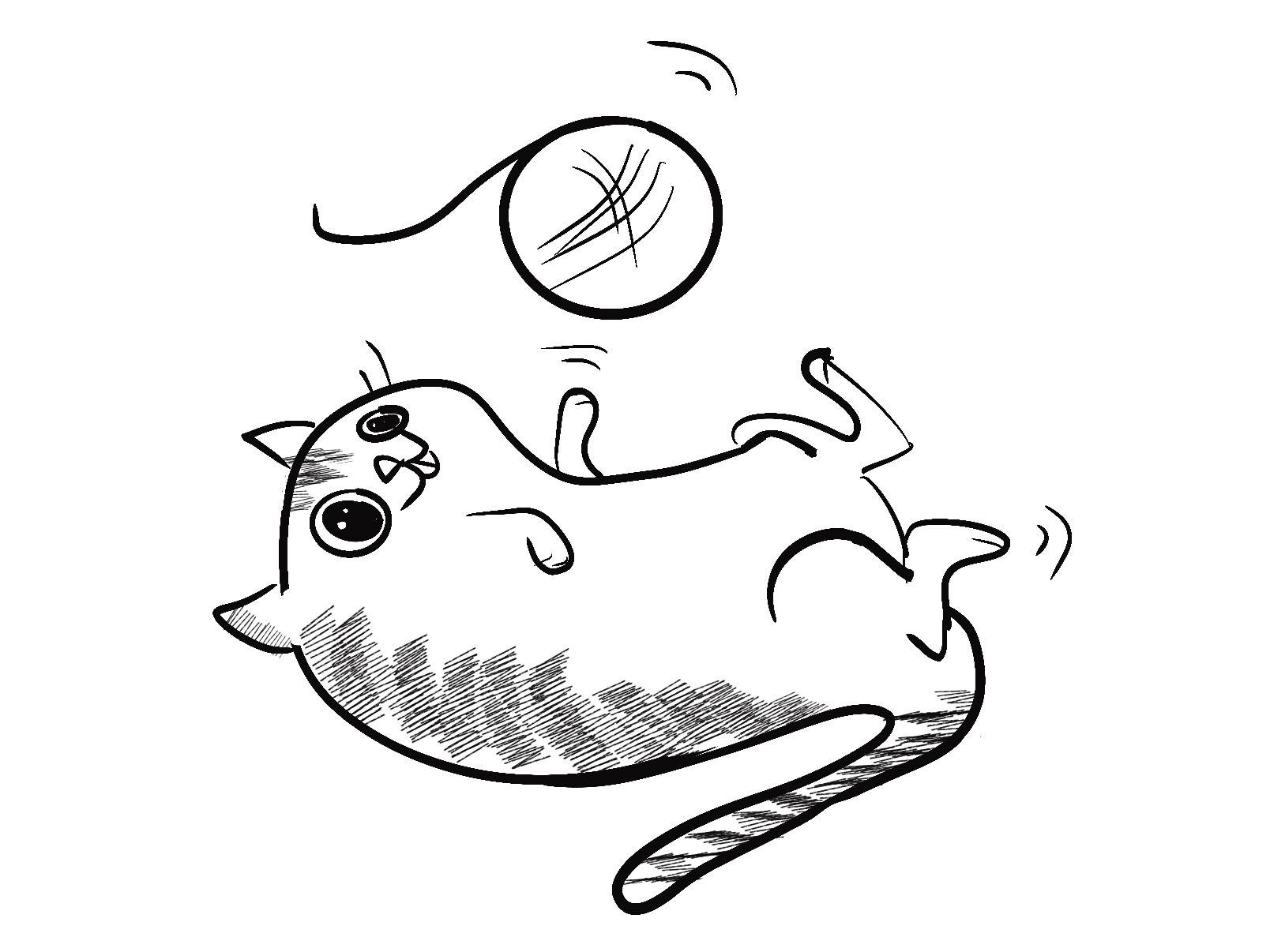
The fact is that, while I still feel it was smart to set most of this creative work aside last year, I desperately need it now. Above all, I need to make space for play, for my mind to goof off and come up with wacky ideas and possible storylines. I simply don’t thrive unless I do, and plenty of research suggests that many others feel the same way.
So this Q1, I’m consciously looking for ways to bring creative play into my life. I’ve signed up for yet another of Luke Burns’s wonderful workshops on writing (more) short humour, which means that not only am I churning out one new bit of short humour a week, but I’m also getting to meet some fabulous fellow humorists and to hear what they’re working on (shout-out to Joey, Joe, Elizabeth, and Justin!). I’m also revisiting that secret project of mine—having bashed out more than 120,000 words of Bad Draft, I’m now using Lisa Cron’s wonderful book Story Genius to figure out how to transform that draft from a plot to a character-driven story.
It is such a relief to be back in that playful space. And even after Q1 is over, I plan to be deliberate about how I keep that space in my life. Sometimes that’s going to mean actually scheduling it in my monthly writing planner. Sometimes it might mean joining my wonderful friends in the Guild of Medievalist Makers (GuMM!) for an online creative work session. Whatever it takes.
How do you make space for creativity and play in your busy life? I’d love to hear about it in the comments below!
As ever, thanks for reading. This is a reader-supported publication, and the best way to support it is to become a paid subscriber (either at $6 per month or $60 per year. Paid subscribers can access everything on the site, from the archives to the ‘Things That Worked’ sample materials. They also benefit from weekly writing check-ins and other occasional bonuses!
If you’re really feeling generous, and you’d like access to everything above and regular feedback on your own writing whenever you need it, you can become a Founding Member ($150).
VB,
M
I've been trying to add more playfulness in too and have heard good things about Luke's classes, I would like to try to take one in the future :)