

‘Fit’
And why it *really* matters
Gooooooooood morning, afternoon, or evening, wherever you happen to be!
This week, I thought I would turn my attention to a somewhat blurry topic: the matter of ‘fit’.
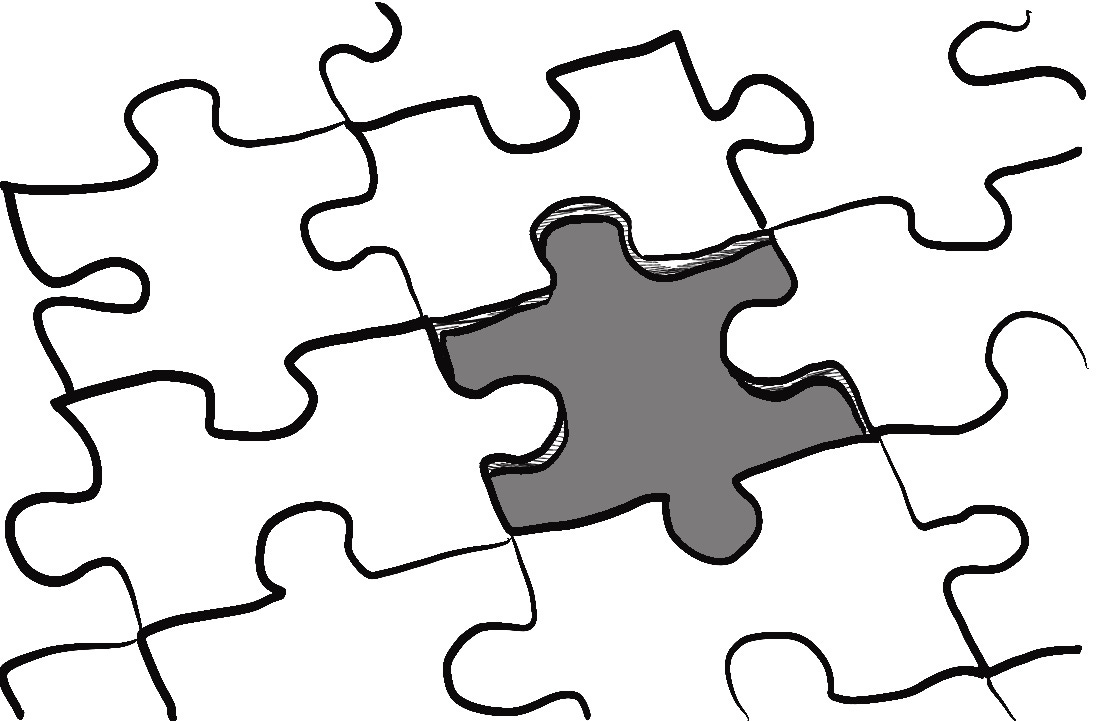
Fit encompasses a lot of things. It can mean something is the right shape or size for something else. It can mean someone has the qualities, background, or skills to get something done. It can mean that something or someone ‘fits in’ to an existing group or institution.
‘Fit’ is a word that doesn’t often get mentioned in job advertisements or in submission guidelines. But in a world where there seem to be more and more job candidates for fewer positions (not to mention more and more writers for a limited number of publication opportunities), fit is increasingly coming to determine who/what gets accepted and who/what gets rejected.
It’s painful to admit, but the fact is that both the job market and the publishing world are more competitive than ever. The same goes for research funding—there are more and more qualified applicants for ever-shrinking pots of money. Under the circumstances, what are hiring committees and funding committees and editors supposed to do?
Well, not infrequently, success comes down to a question of fit. Maybe a given publication is aiming for a specific voice across the board, and your wonderful piece of writing just doesn’t fit. Maybe a particular department wants to do things a certain way, and the way you usually do things doesn’t fit. Maybe a particular employer has certain ambitions or goals that were never mentioned in the original job advertisement, but which your specific background/experience/expertise doesn’t really fit. On the other hand, sometimes you say something in a job interview that persuades your interviewer that you would be a great fit. Or you submit a piece of writing to a new publication that isn’t what you usually write, but is a perfect fit for that publication.
In cases where you or your work have been rejected on the grounds of ‘fit’ (or a lack thereof), it can feel an awful lot like mere chance. Sometimes, it can feel personal. Conversely, if you learn that you or your work were accepted because of ‘fit’, it can feel a lot like good luck, or even likability. And who knows? Maybe it is.
There are a couple of important things to remember about the issue of ‘fit’, however. The first is that, to a limited extent, the perception of how well you fit in somewhere is under your control. You can do your research on a particular employment or publication opportunity and make the case that you or your work would be a great fit (that’s part of what makes a good job application or grant application or submission stand out).
The second thing to remember is that fit works both ways. That means that, when you’re considering applying for a job, you should be asking yourself, Does this feel like a good fit for MY goals/expertise/background? When you’re applying for a research grant, you should be asking, Does this funding opportunity feel like a good fit for MY project? And when you’re considering where to publish or which agents to approach, you should be asking, Does this feel like a good fit for MY work?
At the beginning of my career, I worried a lot more about fitting in than I do now. Nowadays, I’m more interested in whether something feels like it would be a good fit for me. My time, energy, and expertise have never felt more precious, or more limited. But I’ve come to see this as a gift because it bestows clarity in a way that almost nothing else has. That clarity is a gift, a tool to sift out the less important things in life in order to make the most of what really matters.
This is not to say that you should never be ticked off when you learn you or your work aren’t considered a good ‘fit’ for something, especially when it’s clear that ‘fit’ is in fact code for some form of prejudice. But I don’t think you should overlook what fit can do for you, and how it can help you build a life and career that suits you, rather than a life and career that suits somebody else.
As ever, thanks for reading. This is a reader-supported publication, and the best way to support it is to become a paid subscriber (either at $6 per month or $60 per year. Paid subscribers can access everything on the site, from the archives to the ‘Things That Worked’ sample materials. They also benefit from weekly writing check-ins and other occasional bonuses!
If you’re really feeling generous, and you’d like access to everything above and regular feedback on your own writing whenever you need it, you can become a Founding Member ($150).
VB,
M